



Anesthesia Basics (Surgical Perspective)
Summary
- General anaesthesia is commonly described as the triad of unconsciousness (amnesia), analgesia, and muscle relaxation [1].
- Anaesthetic technique choice (general, regional, or local) depends on the operation and the patient's comorbidity, with regional anaesthesia offering clear advantages when general anaesthesia carries higher morbidity/mortality risk, such as in patients with severe respiratory or cardiovascular disease [1].
- Surgeons need a working knowledge of induction agents, muscle relaxants, airway management, regional/local techniques, and anaesthesia-specific emergencies (malignant hyperthermia, local anaesthetic systemic toxicity) because these directly affect perioperative planning and complication management [2][3].
Definition
- General anaesthesia is a drug-induced state producing loss of consciousness, lack of sensation and muscle relaxation, achieved via inhalational agents (e.g. sevoflurane, most commonly used) or intravenous agents (e.g. propofol, most commonly used) [1][2].
- Regional anaesthesia involves central neuraxial (spinal, epidural) or peripheral nerve/plexus blocks using local anaesthetic drugs.
- Local anaesthesia provides anaesthesia/analgesia via topical application, local infiltration, or nerve blocks [1].
- Minimum alveolar concentration (MAC) is the smallest concentration of inhalational agent at which 50% of patients will not move in response to incision, and is inversely related to lipid solubility/potency (small MAC = more lipid soluble = more potent) [2].
Pathophysiology
- Inhalational agents cause unconsciousness, amnesia and some analgesia; they blunt the hypoxic ventilatory drive, cause some myocardial depression, increase cerebral blood flow and decrease renal blood flow [2].
- Depolarising neuromuscular blockers (suxamethonium/succinylcholine) act by binding nicotinic acetylcholine receptors, opening the cation channel to cause depolarisation and rapid muscle relaxation.
- Non-depolarising agents act by competitive blockade of postsynaptic receptors at the neuromuscular junction [1][2].
- During paralysis, the diaphragm is the last muscle to be paralysed and the first to recover, while neck and facial muscles are the first to be paralysed and the last to recover [2].
- Malignant hyperthermia is a hereditary, life-threatening hypermetabolic disorder caused by a defect in calcium metabolism (a ryanodine receptor defect), in which volatile anaesthetics and/or succinylcholine trigger a rise in myoplasmic calcium causing persistent muscle excitation-contraction.
- Clinical incidence is about 1:12,000 in children and 1:40,000 in adults [2][3].
- Local anaesthetics work by increasing the action potential threshold and preventing sodium influx, producing sensory block greater than motor block.
- Infected (acidotic) tissue is harder to anaesthetise [2].
- Autonomic sympathetic blockade from spinal/epidural anaesthesia produces vasodilation and hypotension, particularly with a block level above T10 [1].
Pharmacological principles in Schwartz's account
- Anaesthesiology became a physician specialty with the American Board in 1938; its practice rests on pharmacokinetics (what the body does to the drug, oral first-pass metabolism bypassed by intravenous, nasal or sublingual routes; distribution by tissue blood flow, molecular size, lipid solubility, permeability, polarity, protein binding and volume of distribution; metabolism; elimination) and pharmacodynamics (what the drug does to the body); propofol's effect ends by redistribution into fat, not metabolism, and the context-sensitive half-time (the time for plasma concentration to halve after stopping an infusion) rises steeply for fentanyl with infusion duration yet stays flat for remifentanil [4].
- Full agonists give the maximal receptor response, partial agonists less, antagonists block; additive effects sum algebraically, synergistic effects exceed the sum; tolerance or tachyphylaxis follows enzyme induction (alcohol) or transmitter depletion (cocaine); potency is the dose for a given effect (ED50 in half the population), efficacy the maximal effect, and the therapeutic index TD50/ED50, high is safe [4].
- Minimum alveolar concentration is the inhaled ED50 preventing movement to incision; higher MAC means lower potency, and nitrous oxide (MAC 104%) must be combined with other agents [4].
Clinical features
- Malignant hyperthermia: the first sign is a rise in end-tidal CO2, followed by fever, tachycardia, muscle rigidity, acidosis, hyperkalaemia and rhabdomyolysis [2].
- Local anaesthetic systemic toxicity: perioral paraesthesia is the first sign, followed by tremors, seizures, tinnitus and arrhythmias (CNS symptoms precede cardiac symptoms); prilocaine overdose specifically causes methaemoglobinaemia, while bupivacaine overdose causes treatment-resistant ventricular arrhythmia and cardiac arrest [1][2].
- Opioid overdose presents with pinpoint pupils and somnolence; opioids cause profound analgesia, respiratory depression (reduced CO2 drive), no direct cardiac effects, and blunted sympathetic response [2].
- Benzodiazepine effects include anticonvulsant, amnesic and anxiolytic action with respiratory depression but no analgesia [2].
- Postoperative delirium risk is increased by age >65–70 years, cognitive impairment, alcohol abuse history, intraoperative blood loss, undertreated pain, and use of psychotropic medications such as meperidine, diphenhydramine and anticholinergics [5][6].
- Common PACU complications include nausea/vomiting (most common), atelectasis (most common cause of postoperative hypoxaemia), and poor minute ventilation causing hypercarbia [2].
Etiology
- Triggers for malignant hyperthermia include all volatile anaesthetics (halothane, enflurane, isoflurane, sevoflurane, desflurane) and the depolarising muscle relaxant succinylcholine, in a genetically predisposed individual [2][3].
- Suxamethonium should be avoided in patients with severe burns, neurologic injury, neuromuscular disorders, spinal cord injury, massive trauma or acute renal failure, since up-regulation of acetylcholine receptors in these conditions can cause life-threatening hyperkalaemia; it can also convert open-angle to closed-angle glaucoma, and atypical plasma pseudocholinesterase (more common in some Asian populations) causes prolonged paralysis [2].
- Halothane can cause "halothane hepatitis" (fever, eosinophilia, jaundice, raised LFTs) [2].
- Epidural/spinal anaesthesia is contraindicated in hypertrophic cardiomyopathy and cyanotic heart disease because sympathetic denervation decreases afterload and worsens these conditions [2].
- Nondepolarising agents can have prolonged effect in myasthenia gravis [2].
- Local anaesthetic-induced adverse cardiac events are more likely with bupivacaine (most cardiotoxic) than lidocaine, and epinephrine should not be co-administered with local anaesthetic in patients with arrhythmias, unstable angina, uncontrolled hypertension, or in end-arterial territories such as digits/penis/ear [1][2].
Preoperative risk assessment
- Preoperative anaesthetic risk assessment uses the ASA physical status classification (I/P1 healthy; II/P2 mild systemic disease; III/P3 severe systemic disease; IV/P4 severe systemic disease that is a constant threat to life; V/P5 moribund, not expected to survive without the operation; VI/P6 declared brain-dead organ donor), with "E" appended for emergency surgery [2][7].
- Functional capacity is assessed in metabolic equivalents (METs); patients able to achieve 4 METs or more (e.g. climbing two flights of stairs) can typically proceed to surgery without further cardiac workup even with a history of stable coronary disease [3].
- Airway assessment for anticipated difficulty is essential before induction.
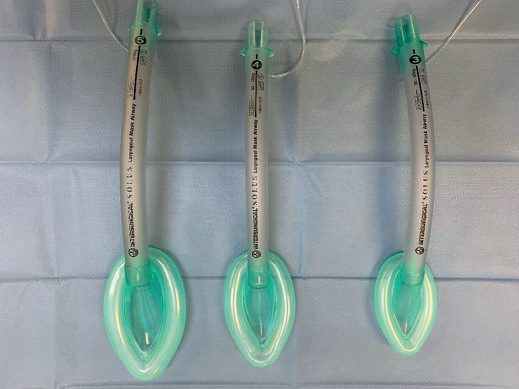
- The ASA difficult airway algorithm specifies that if intubation fails and mask ventilation is inadequate, a supraglottic airway (e.g. laryngeal mask airway) should be inserted next [3].
- NPO (nil-by-mouth) fasting guidelines: 2 hours after clear liquids, 4 hours after breast milk, 6 hours after a light meal or infant formula, 8 hours after a fuller meal [3].
- Cardiac risk stratification for noncardiac surgery: high risk (>5%) includes emergent operations (especially elderly), aortic/peripheral/major vascular surgery (except carotid endarterectomy), and long procedures with large fluid shifts; intermediate risk (<5%) includes carotid endarterectomy, head and neck, intraperitoneal/intrathoracic, orthopaedic, and prostate surgery; low risk (<1%) includes endoscopic, superficial, cataract and breast surgery [2].
- End-tidal CO2 monitoring is used both intraoperatively (to distinguish oesophageal from tracheal intubation, and to detect hypoventilation, air/CO2 embolus, or disconnection) and during cardiopulmonary resuscitation (a value ≥10 mmHg reflects adequate chest compressions; a sudden rise most likely indicates return of spontaneous circulation) [2][3].
Bedside airway assessment
- The prediction of a difficult airway rests on a short list of bedside measurements made before induction.
- The patient is assessed for the modified Mallampati class, mouth opening greater than 3 cm, a thyromental distance greater than 6.5 cm, a thyrosternal distance greater than 12.5 cm, the ability to protrude the jaw, and the ability to extend the head at the atlanto-occipital junction [8].
- The general airway examination also records neck extension, scarring of the mouth or neck, dentition and BMI [8].
- The Mallampati classification grades the size of the tongue relative to the oral cavity, and is performed with the patient sitting, the head neutral, the mouth opened as wide as possible and the tongue maximally protruded, the observer noting which oral and pharyngeal structures remain visible.
- A patient in whom the uvula, tonsillar pillars and soft palate are all visible (class I) will generally be easy to mask-ventilate and intubate [9].
- Airway assessment should be made in both frontal and profile views, because abnormalities such as a recessed mandible are not evident from the front [9].
- The ASA classification and the Mallampati score together are the standard preassessment pair used to identify the high-risk group before endoscopic sedation as well as before theatre [10].
Scoring and Severity
The ASA physical status classification (I–VI, with "E" for emergency) is the principal anaesthesia-specific severity/risk classification, with 30-day mortality rising from 0.1% in ASA I to 93.3% in ASA V [2][7][8]. Cardiac risk stratification by surgery type (low/intermediate/high, detailed under Diagnosis) functions as a complementary severity framework for anaesthetic and surgical planning [2].
Treatment and Management
- Induction: propofol has largely replaced thiopentone as the standard intravenous induction agent (smooth induction, haemodynamic stability, suitable for continuous infusion); thiopentone (barbiturate) gives rapid induction with myocardial depression and lowers intracranial pressure (useful in neurosurgery) but risks hypotension; etomidate offers good haemodynamic stability but risks adrenocortical suppression with continuous infusion; ketamine preserves blood pressure and respiratory reflexes with excellent analgesia (useful in field/trauma anaesthesia and children) but causes hallucinations/emergence delirium and catecholamine release [1][2].
- Rapid sequence induction (predetermined IV agent plus rapidly acting muscle relaxant, e.g. succinylcholine or rocuronium, with cricoid pressure) is used for patients at high aspiration risk (recent oral intake, GORD, delayed gastric emptying, pregnancy, bowel obstruction, emergency surgery) [1][2].
- Total intravenous anaesthesia (TIVA, using propofol and remifentanil) is increasingly used for neurosurgery, airway laser surgery, cardiopulmonary bypass and day-case anaesthesia [1].
- Airway management progresses from head tilt/chin lift/jaw thrust and oropharyngeal (Guedel) airways, through supraglottic devices (laryngeal mask airway and second-generation devices such as ProSeal and i-gel), to endotracheal intubation for a secure, protected airway.
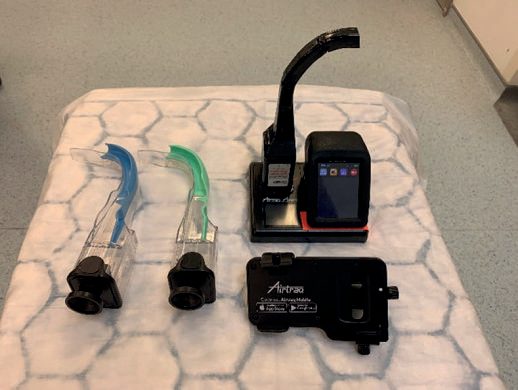
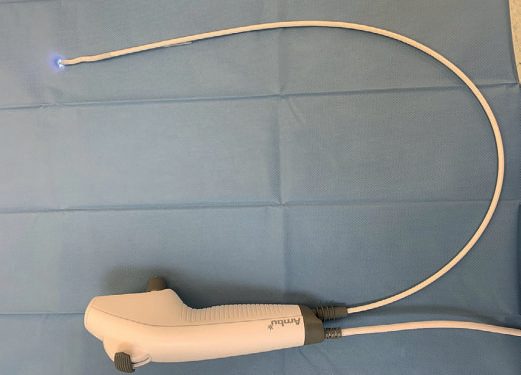
- Video laryngoscopes and fibreoptic bronchoscopes assist anticipated difficult intubation [1].
- Muscle relaxant reversal: sugammadex selectively reverses rocuronium and vecuronium; neostigmine and edrophonium reverse non-depolarising blockade by inhibiting acetylcholinesterase (co-administered with glycopyrrolate or atropine to counteract generalised cholinergic excess) [1][2].
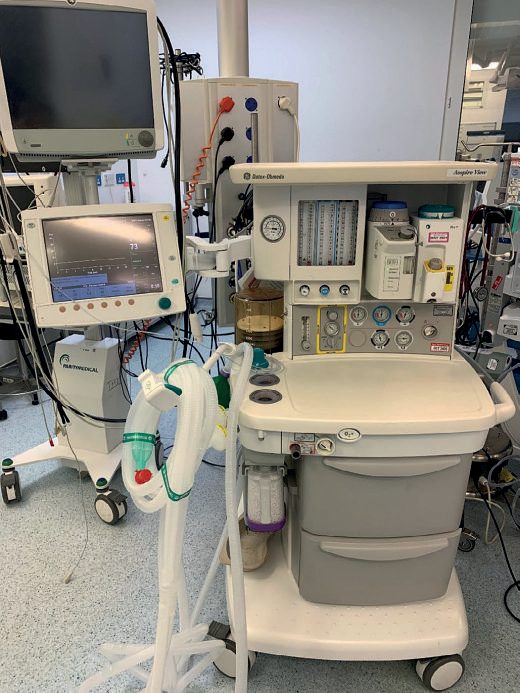
- Ventilation modes: volume-controlled ventilation delivers a preset volume regardless of pressure (risking barotrauma in laparoscopic Trendelenburg positioning, obesity, or lung disease); pressure-controlled ventilation delivers flow to a preset pressure with variable resulting tidal volume; PEEP maintains functional residual capacity and reduces vascular shunting [1].
- Minimum intraoperative monitoring includes ECG, blood pressure, inspired oxygen concentration, pulse oximetry, and end-tidal CO2, with temperature, ventilation parameters, urine output and central venous pressure added for major surgery [1].
- Local/regional techniques: EMLA cream for paediatric venepuncture; brachial plexus blocks (interscalene, supraclavicular, infraclavicular, axillary) for shoulder/upper limb surgery; femoral/sciatic blocks and fascial plane blocks (transversus abdominis plane, quadratus lumborum, erector spinae) for lower limb and abdominal/chest wall analgesia; intravenous regional anaesthesia (Bier's block, using prilocaine (never bupivacaine) with a double tourniquet) for short upper-limb surgery; spinal anaesthesia (fast onset, short duration, single-shot intrathecal injection) and epidural anaesthesia (slower onset, allows continuous infusion/multiple dosing for prolonged analgesia, e.g. high thoracic epidural for major abdominal/thoracic surgery) [1].
- Local anaesthetic maximum doses: lidocaine 3–4 mg/kg (7 mg/kg with adrenaline; ABSITE Review gives 4 mg/kg plain, 7 mg/kg with epi); bupivacaine 2 mg/kg (3 mg/kg with epi per ABSITE Review); prilocaine 6 mg/kg (9 mg/kg with adrenaline) [1][2].
- Local anaesthetic systemic toxicity is treated with intravenous lipid emulsion in addition to supportive management of symptoms [3].
- Malignant hyperthermia is treated with dantrolene (10 mg/kg, inhibits calcium release and uncouples the excitation-contraction complex), cooling blankets, bicarbonate, glucose and supportive care [2].
- Postoperative pain follows the multimodal analgesia principle, combining regular paracetamol (WHO analgesic ladder step 1), NSAIDs (opioid-sparing but with bleeding, GI, thrombotic, renal and asthma-exacerbation risks), and opioids (weak, e.g. codeine; or strong, e.g. morphine, oxycodone), often via patient-controlled analgesia (PCA) pumps with computer-limited bolus dose/frequency/total dose [1].
- Antiplatelet/stent timing: elective surgery should be delayed 30 days after bare-metal coronary stent placement and about 1 year after drug-eluting stent placement, per ACC/AHA guidance, given an elevated in-stent thrombosis risk for roughly 180 days after implantation regardless of stent type [3].
Inadvertent perioperative hypothermia has a dedicated NICE guideline built around a single number, 36.0°C, and a normal range of 36.5 to 37.5°C. The normothermic range is 36.5°C to 37.5°C, and hypothermia is a core temperature below 36.0°C [11]. Every threshold in the guideline is a decision about that 36.0°C line.
Risk is assessed before transfer to theatre using a two-of-five rule. Manage the patient as higher risk if any 2 of the following apply: ASA grade 2 to 5 (the higher the grade, the greater the risk); preoperative temperature below 36.0°C where preoperative warming is not possible because of clinical urgency; combined general and regional anaesthesia; major or intermediate surgery; or at risk of cardiovascular complications [11].
| Phase | Threshold and action |
|---|---|
| Preoperative | Measure and document temperature in the hour before leaving the ward or emergency department (1.2.2). If below 36.0°C, start active warming on the ward or in the emergency department, unless surgery must be expedited for bleeding or critical limb ischaemia. If 36.0°C or above, start active warming at least 30 minutes before induction, unless this delays emergency surgery. Do not transfer unless temperature is 36.0°C or above |
| Arrival in theatre | Consider standard critical incident reporting for any patient arriving at the theatre suite below 36.0°C |
| Induction | Induction should not begin unless the temperature is 36.0°C or above, unless surgery must be expedited for clinical urgency |
| Intraoperative | Ambient theatre temperature at least 21°C while the patient is exposed, reducible once active warming is established, with equipment to cool the surgical team considered. Cover the patient throughout, exposing only during surgical preparation |
| Recovery | Measure and document on admission to recovery and then every 15 minutes. Do not arrange ward transfer unless 36.0°C or above; if below, actively warm with forced air until discharge from recovery or until comfortably warm |
Table reformats the CG65 phase-by-phase thresholds [11].
Three warming rules carry specific numbers that differ from one another and are easily conflated. Warm from induction with a forced-air warming device if anaesthesia will last more than 30 minutes, or less than 30 minutes in a higher-risk patient, considering a resistive heating mattress or blanket if forced air is unsuitable [11]. Set forced-air devices to maximum, then adjust to maintain a patient temperature of at least 36.5°C [11]. Warm intravenous fluids of 500 ml or more, and all blood products, to 37°C using a fluid warming device [11]. And warm all intraoperative irrigation fluids in a thermostatically controlled cabinet to 38°C to 40°C [11].
One measurement recommendation is a prohibition, and it is the one most often breached in practice. Do not use indirect estimates of core temperature in adults having surgery, that is, any reading produced after a correction factor has been applied, including infrared tympanic, infrared temporal, infrared forehead and forehead strips [11]. Where peripheral sites such as sublingual or axilla are used, be aware of possible inaccuracies when the core temperature is outside the normothermic range [11].
- Two NG180 recommendations govern the rest of the anaesthetic period.
- On fasting, tell people they may drink clear fluids until 2 hours before their operation, and that doing so can help reduce headaches, nausea and vomiting afterwards [12].
- On safety, ensure the World Health Organization surgical safety checklist is completed for each surgical procedure, including dental procedures, and consider adding steps to eliminate preventable events reported locally or nationally, such as surgical 'never events', following the WHO implementation manual when doing so [12]. Consider cardiac output monitoring for people having major or complex surgery or high-risk surgery [12].
Anaesthetic agents in Schwartz's detail
- Nitrous oxide is odourless, rapid on and off, analgesic, cardiostable, barely metabolised and cheap but expands air spaces, increases nausea and vomiting, inhibits methionine synthase, pollutes and supports combustion, 70% nitrous oxide in a large trial did not raise death or major cardiovascular events; isoflurane gives good relaxation, bronchodilation, a stable heart rate and low cost with slow uptake and elimination; sevoflurane is rapid and non-pungent (inhalational induction) but forms compound A in the circuit; desflurane is fastest, least metabolised, an airway irritant needing a heated vaporiser and the most expensive; halothane's hepatotoxicity retired it; all volatiles and succinylcholine trigger malignant hyperthermia [4].
- Barbiturates (thiopental, methohexital, the latter still used for electroconvulsive therapy) are GABA agonists causing dose-dependent hypotension and myocardial depression; propofol, an alkylated phenol GABA agonist with short action, rapid recovery, low nausea and anticonvulsant properties, is the induction agent of choice but drops pressure in cardiac disease and hypovolaemia, hurts on injection, and runs as infusions for ICU sedation and total intravenous anaesthesia; midazolam is the anaesthetic benzodiazepine (anxiolysis, amnesia, anticonvulsant; sedation, vasodilation and respiratory depression synergistic with opioids; oral in children; cautious in the elderly for delayed waking and delirium); etomidate is hydrolysed rapidly, spares cardiac output and pressure, hurts on injection and suppresses the adrenal, whether a single induction dose matters is disputed; dexmedetomidine, an α2-agonist infusion, sedates and analgeses without respiratory depression, causing hypotension and bradycardia, and spares opioids; ketamine acts at NMDA receptors as a dissociative agent giving analgesia and amnesia with cataleptic gaze, nystagmus and emergence delirium (blunted by benzodiazepines), raises heart rate and pressure (sympathetic support in hypovolaemia, but direct myocardial depression and profound hypotension in the catecholamine-depleted), bronchodilates, raises intracranial and intraocular pressure and can be given intramuscularly to the developmentally delayed [4].
- Opioids act at µ-receptors; equianalgesic doses cause equal respiratory depression so no opioid is safer; fentanyl accumulates in tissue, remifentanil is hydrolysed independently of sex, age, weight, renal or hepatic function even after long infusion and has displaced alfentanil and sufentanil, morphine and pethidine have renally excreted active metabolites, naloxone reverses respiratory depression and is combined with oral opioids to deter injection, and methylnaltrexone and alvimopan reverse constipation peripherally without losing analgesia [4].
- Ketorolac (parenteral COX inhibitor) cuts opioid need but risks bleeding, platelet dysfunction and kidney injury in the elderly and renally impaired; paracetamol, now intravenous, acts centrally and spares opioids; intravenous lidocaine in a meta-analysis of 42 trials and 2800 patients modestly reduced pain, opioid use and time to bowel function after abdominal surgery [4].
- Local anaesthetics block sodium channels: amides (lidocaine fast and short; bupivacaine and ropivacaine slow and long; 95% hepatically metabolised) versus esters (cocaine, procaine, chloroprocaine, tetracaine, benzocaine; plasma esterase hydrolysis with slightly more allergenic metabolites); systemic toxicity progresses from restlessness, tinnitus and slurred speech to seizures and coma, and cardiovascularly from hypotension and heart block to ventricular arrhythmia and arrest, bupivacaine being most cardiotoxic, risk rising with cumulative dose, injection site and renal, hepatic or cardiac disease, treated symptomatically and with intravenous lipid emulsion [4].
- Neuromuscular blockers allow relaxation at hypnotic rather than deep anaesthetic depth: succinylcholine (1 mg/kg; onset under 60 seconds, offset 5–8 minutes) depolarises the postjunctional membrane and causes transient hyperkalaemia (fatal in burns and denervation) bradycardia (severe in children), raised intracranial and intraocular pressure, fasciculation myalgia, malignant hyperthermia, phase II block with excess use and hours of paralysis in homozygous pseudocholinesterase deficiency; non-depolarisers rocuronium (0.6 mg/kg, 1.2 for rapid sequence) and vecuronium (0.1 mg/kg) are hepatically and renally cleared steroid agents, cisatracurium (0.1 mg/kg) undergoes Hofmann elimination and suits renal failure, pancuronium has faded, and reversal (essential, since residual block raises respiratory failure and death) uses neostigmine, edrophonium or pyridostigmine with atropine or glycopyrrolate, or sugammadex, which chelates rocuronium and vecuronium (even an intubating dose at high doses) but is not recommended in advanced kidney disease [4].
Monitoring, evaluation and airway management in Schwartz's account
- ASA standards require qualified personnel present throughout and continual evaluation of oxygenation (inspired oxygen analyser, oximetry), ventilation (auscultation, observation, reservoir bag, end-tidal CO₂), circulation (continuous ECG, heart rate and pressure at least every 5 minutes, heart sounds, pulse, oximetry, non-invasive or arterial pressure) and temperature (core or skin; oesophageal, nasopharyngeal, bladder probes); TEE guides liver transplantation, cardiac and valve surgery; end-tidal CO₂ also tracks perfusion, near zero in arrest, a sudden spike marking return of spontaneous circulation; depth monitors (BIS, SedLine) proved no better than titrating end-tidal agent to a MAC above 0.7 in over 6000 patients; and train-of-four stimulation (four stimuli over 2 seconds) shows adequate reversal when four twitches appear without fade at a ratio of at least 0.9, one or two twitches sufficing for abdominal and thoracic relaxation [4].
- Preoperative evaluation covers anaesthetic and family anaesthetic history, atopy, medications and interactions, organ systems, and examination of CNS, heart, lungs and airway, with tests driven by findings (ECG for irregular rhythm, echocardiography for a new murmur, chest imaging or spirometry for pulmonary signs, pregnancy testing on the day); ASA physical status I–VI (healthy; mild systemic disease; severe; severe and life-threatening; moribund; brain-dead donor) with "E" for emergency predicts mortality; Mallampati class 1–4 (full soft palate, fauces, uvula and pillars down to hard palate only), short or immobile neck, large overbite, small mandible, inability to protrude the lower incisors, thyromental distance under 6 cm, obesity and neck circumference predict difficult intubation and mask ventilation [4].
- The revised cardiac risk index counts ischaemic heart disease, heart failure, cerebrovascular disease, insulin-treated diabetes, creatinine over 2 and major vascular, intraperitoneal or intrathoracic surgery; the 2014 ACC/AHA algorithm proceeds through emergency, active conditions (unstable coronary syndromes, decompensated or NYHA IV failure, Mobitz II or complete block, rapid supraventricular or atrial fibrillation over 100, symptomatic ventricular arrhythmia or bradycardia, severe aortic or mitral stenosis), low-risk surgery (under 1%: superficial, endoscopic, cataract, breast, ambulatory), functional capacity (4 METs (a flight of stairs, a hill, 3–4 mph on the flat) proceeds without testing) and clinical predictors, with routine ECG and stress testing unnecessary for asymptomatic low-risk surgery; elective surgery waits 30 days after a bare-metal and a year after a drug-eluting stent (180 days when delay is riskier than thrombosis) with dual antiplatelet therapy continued for urgent cases; β-blockers and statins are continued, β-blockers may be started well before (never on the day of) surgery in patients with multiple RCRI factors but new perioperative β-blockade raises mortality and stroke while cutting myocardial events; pacemakers and defibrillators need assessment of interference, function, reprogramming or disabling, back-up therapy and postoperative restoration [4].
- Asthma and COPD are assessed by exercise tolerance, exacerbations, admissions and intubations, bronchodilators given without evidence, desflurane avoided; obstructive sleep apnoea (2014 ASA guidance) warrants sleep studies, protocols, extubation only fully awake and postoperative non-invasive ventilation; renal failure reduces opioid and relaxant doses and favours cisatracurium; hepatic disease prolongs hepatically cleared drugs (short-acting agents preferred), hypoalbuminaemia raises free drug, ascites makes every patient a full stomach, coagulopathy and thrombocytopenia contraindicate neuraxial blocks and varices endanger gastric tubes and TEE probes; HbA1c is checked in diabetics because it predicts wound infection, type 1 patients risk hypoglycaemia and ketoacidosis and need closer monitoring than type 2 [4].
- Fasting: food and fluids to 8 hours, light meal or formula to 6, breast milk to 4, clear fluids to 2, longer for individuals at risk, and rapid sequence induction (cuffed tube without mask ventilation, without trial evidence but routine) for symptomatic reflux, achalasia, gastroparesis or dysmotility regardless of fasting; DNR or DNI orders are clarified with patient and family and may be rescinded, kept or modified, uniform policies removing self-determination; the NSQIP calculator estimates eight outcomes and the STS calculator cardiac risk, imperfect but invaluable for discussion [4].
- Intravenous induction (propofol hypotension; laryngoscopy hypertension and tachycardia) suits adults, inhalational induction children, intramuscular ketamine the developmentally delayed; airways are face mask with oral or nasal airway, laryngeal mask (blind supraglottic seal; no aspiration protection) or cuffed tracheal tube placed in the sniffing position (lower cervical flexion, atlanto-occipital extension) with curved Macintosh or straight Miller blades and graded by Cormack and Lehane; for difficult airways the GlideScope video laryngoscope helps large tongues and anterior larynges though it did not improve first-pass ICU success and raised severe complications, the rigid intubating LMA rescues and guides blind or fibreoptic intubation in experienced hands, the flexible bronchoscope is the gold standard for awake, nasal or neck-immobile intubation, and the ASA algorithm places an LMA when neither intubation nor ventilation is possible [4].
- Monitored anaesthesia care sedates under local anaesthesia with preserved reflexes and mandatory capnography, faster recovery and no airway manipulation, though deep "MAC" for endoscopy demands airway vigilance; spinal anaesthesia (25-gauge or finer needle below the conus; level set by agent, dose and baricity) suits lower limb, lower abdominal, pelvic, urological and gynaecological surgery with hypotension, bradycardia, post-dural puncture headache, nerve injury and haematoma as risks and American Society of Regional Anesthesia intervals after anticoagulants; thoracic or lumbar epidurals give days of analgesia, fewer pulmonary complications and shorter ileus; ultrasound- or stimulator-guided peripheral blocks and catheters serve limbs for hours to days; and ultrasound-guided truncal blocks (transversus abdominis plane, rectus sheath, pectoral, serratus anterior plane) modestly reduce opioid needs within multimodal analgesia [4].
Anaesthetic procedures
The source texts describe procedural anaesthetic techniques (e.g. fibreoptic intubation, laryngeal mask insertion, spinal/epidural needle placement, peripheral nerve block injection, Bier's block) which function as procedures rather than as operations in the sense used elsewhere in this guide [1].
Complications
- Complications of intubation include failed intubation, accidental bronchial (endobronchial) intubation, trauma to teeth/pharynx/larynx, aspiration of gastric contents, tube disconnection/blockage/kinking, and delayed tracheal stenosis [1].
- Malignant hyperthermia, if untreated, progresses through hyperthermia, rigidity, acidosis, hyperkalaemia and rhabdomyolysis and can be fatal [2].
- Regional/neuraxial complications: epidural and spinal complications include hypotension, headache (dural puncture headache, worse sitting up, treated with rest, fluids, caffeine, and an epidural blood patch if it persists beyond 24 hours), urinary retention (most common complication, often needing catheterisation), and abscess/haematoma formation; high spinal block can cause respiratory depression [2].
- Epidural anaesthesia carries a higher failure rate than spinal and risks nerve damage, spinal injury, accidental intravascular/intrathecal injection of a large local anaesthetic volume, infection and epidural haematoma [1].
- Intraoperative capnothorax (CO2 pneumothorax) can complicate upper GI laparoscopic surgery (e.g.
- Nissen fundoplication) via pleural tear, causing ventilation difficulty and elevated end-tidal CO2.
- Management is stopping insufflation and adding PEEP, with thoracentesis if this fails, and chest tube placement if the lung itself was injured [2].
- Air/CO2 embolism presents with sudden drop in end-tidal CO2, hypotension, tachycardia and a mill-wheel murmur.
- Treatment includes stopping insufflation, Trendelenburg and left lateral decubitus positioning, hyperventilation with 100% oxygen, aspiration of a central line if present, and pressors/inotropes [2].
- Postoperative respiratory complications relate to residual anaesthetic/muscle relaxant effects and can include atelectasis (most common cause of postoperative hypoxaemia) and hypercarbia from poor minute ventilation [2].
- Chronic postsurgical pain is a recognised subtype of chronic secondary pain following surgery [1].
Awareness under anaesthesia
- Awareness during anaesthesia is an uncommon but distressing complication, occurring when the patient is not adequately anaesthetised for the level of stimulus [9].
- The risk is highest in procedures where haemodynamic instability or urgency precludes appropriate anaesthetic dosing (trauma, cardiac surgery, emergency caesarean section) and when total intravenous anaesthesia is used, since there is no end-tidal agent concentration to monitor [9].
- Neuromuscular blockade compounds the problem because chemical paralysis masks the intraoperative signs of inadequate anaesthesia, and medicolegal claims of intraoperative awareness are more than twice as frequent in patients who received intraoperative muscle relaxants [9].
Recovery-room problems in Schwartz's account
- PACU monitoring covers ventilation, oxygenation, haemodynamics, temperature, nausea, pain, urine output, bleeding and drainage, with discharge on baseline mentation, adequate gas exchange and analgesia and stable signs by validated scores; haemorrhage, pressure swings, ischaemia, arrhythmia (common after cardiothoracic and oesophageal surgery) and altered mentation present there, and nausea and vomiting affect 20–30% of cases, prolonging and costing stay so most patients receive prophylactic antiemetics; ERAS pathways (education, optimisation, limited bowel preparation and fasting, multimodal and regional analgesia, restricted fluids, early mobilisation) shorten stay and cost; opioids remain the mainstay of analgesia for major surgery, chronic pain and opioid-tolerant patients benefit from early acute-pain specialists, and 3–7% of surgical patients prescribed opioids continue long term, the CDC declaring prescription abuse an epidemic [4].
- Malignant hyperthermia (1:10,000 to 1:250,000; usually autosomal dominant, chiefly RYR1) is triggered by volatiles or succinylcholine raising myoplasmic calcium: tachycardia and rising end-tidal CO₂ come first, then respiratory and metabolic acidosis, rhabdomyolysis, arrhythmia, hyperkalaemia and arrest, with fever late; diagnosis is by caffeine–halothane contracture on muscle biopsy or genetics afterwards, treatment is immediate cessation, dantrolene 2.5 mg/kg intravenously, the national hotline and ICU observation for recrudescence [4].
- Postoperative respiratory depression from residual block, volatiles or opioids is reversed (naloxone, further reversal agent), obstruction relieved by manoeuvres or airways, and failure managed by non-invasive ventilation or high-flow nasal cannula before intubation; hypotension reflects anaemia, hypovolaemia, ischaemia, embolism or anaphylaxis; perioperative stroke is hard to treat because lysis and anticoagulation may be unsafe; delirium is common and transient, treated by reorientation, analgesia, correction of metabolic, haemodynamic and respiratory causes, review of anaesthetic and analgesic effects and haloperidol; and postoperative cognitive dysfunction affects up to 40% of older adults at discharge and 12% at 3 months, with age, prior stroke and lower education as risks and no proven causal link to anaesthesia itself [4].
Outcomes
Outcome is expressed through ASA-class-specific 30-day mortality (0.1% for ASA I rising to 93.3% for ASA V, detailed under Scoring and Severity) and through condition-specific outcomes such as malignant hyperthermia mortality risk if untreated and the reduced perioperative mortality achieved with modern anaesthetic and monitoring standards [2][8].
References
- Bailey & Love's Short Practice of Surgery, 28th ed., Ch. 23 Anaesthesia and pain relief
- The ABSITE Review, 2022, Ch. 8 Anesthesia
- Schwartz's Principles of Surgery: ABSITE and Board Review, Ch. 46 Anesthesia for the Surgical Patient
- Schwartz's Principles of Surgery, 11th ed., Ch. 46, Anesthesia for Surgical Patients, Fig. 46-2
- Schwartz's Principles of Surgery: ABSITE and Board Review, Ch. 47
- Sabiston Textbook of Surgery, 22nd ed., Ch. 19
- Schwartz's Principles of Surgery: ABSITE and Board Review, Ch. 45 confirms the P1–P6 notation
- Bailey & Love's Short Practice of Surgery, 28th ed., Ch. 21 Preoperative care including the high-risk surgical patient
- Sabiston Textbook of Surgery, 22nd ed., Ch. 20 Anesthesiology Principles, Pain Management, and Sedation, Fig. 20.1
- Maingot's Abdominal Operations, 13th ed., Ch. 5
- NICE Clinical Guideline CG65: Hypothermia: prevention and management in adults having surgery. National Institute for Health and Care Excellence, London, UK, 2008, updated 2016., 1.1.5; 1.1.6; 1.2.1; 1.2.1 to 1.4.2; 1.3.6; 1.3.7; 1.3.8; 1.3.9; Terms used in this guideline www.nice.org.uk
- NICE Guideline NG180: Perioperative care in adults. National Institute for Health and Care Excellence, London, UK, 2020., 1.4.1; 1.4.5; 1.4.8; 1.4.9 www.nice.org.uk